Van der Heijden Lab
Field Inoculation Trials
Field Inoculation Trials
Introduction:
To maintain agricultural productivity while reducing the use of fertilizers and pesticides, alternative strategies are needed. One promising approach is the targeted application of probiotic microorganisms, which can enhance both nutrient availability and plant health.
A key example of this is arbuscular mycorrhizal fungi (AMF). These beneficial fungi form a symbiotic relationship with plant roots by creating a network of fungal filaments in the soil. This network allows plants to access water and nutrients that would otherwise be difficult to reach. In return, the plants supply the fungi with carbohydrates produced through photosynthesis. The AMF form a tree-like structures called arbuscules within plant root cells. These structures facilitate the exchange of carbohydrates and nutrients between the plant and the fungus (Fig. 1). Around 80% of all terrestrial plants can establish this symbiosis, which efficiently promotes plant growth even with reduced use of agrochemicals
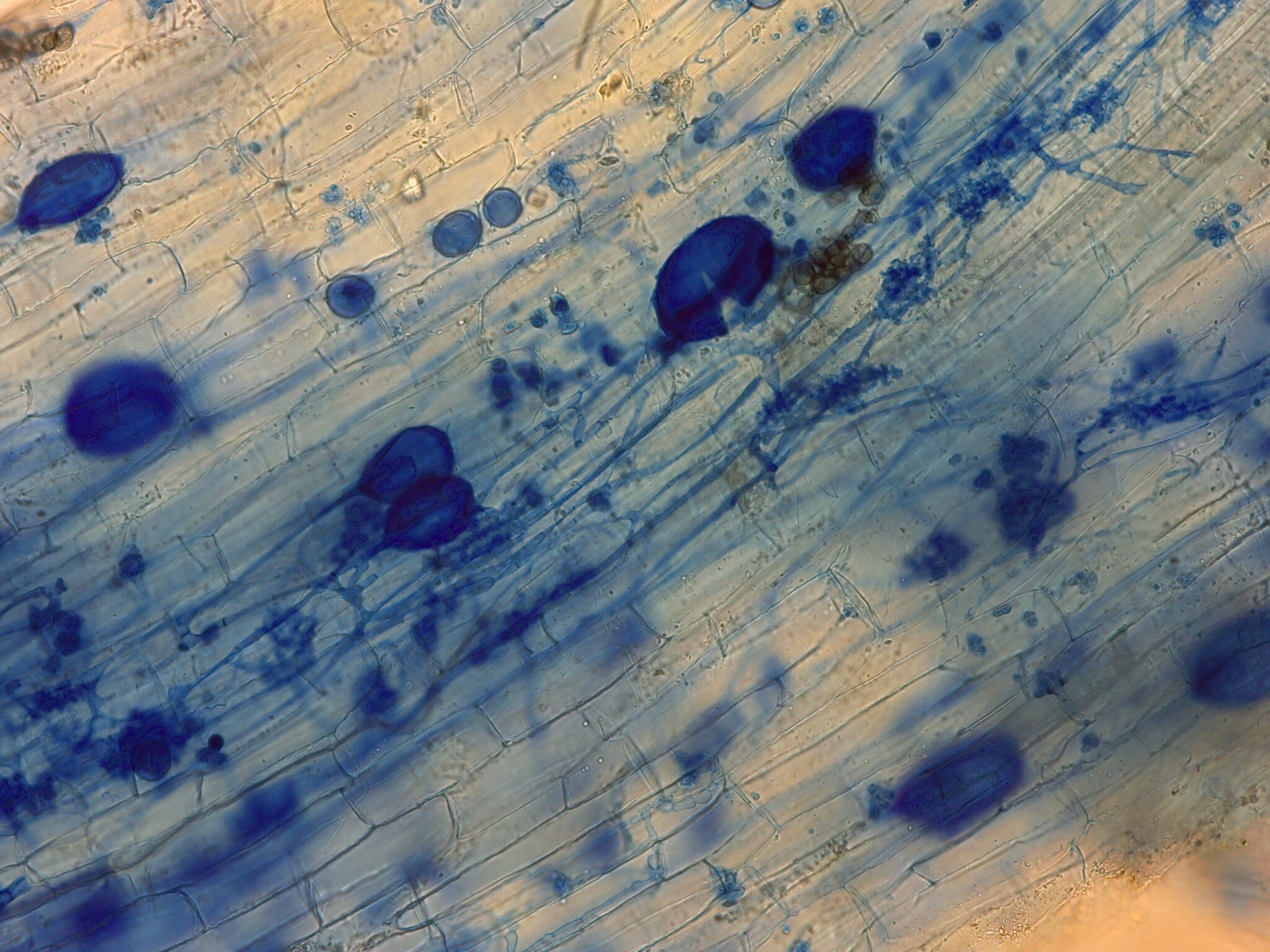
Figure 1: Stained maize root with fungal hyphae, arbuscules, and vesicles. Foto: © Alain Valzano-Held 2023
Previous Field Inoculation 2018-2022
To determine if agriculture fields in Switzerland can benefit from AMF inoculation, field trials are essential. Between 2018 and 2022, 71 maize fields in Switzerland were inoculated with Rhizoglomus irregulare SAF 22.
AMF increased yield by 12–40% in 20 fields but reduced growth by 12% in three fields (Fig. 2).
Inoculum was manually applied with a spade over 1.5 meters, requiring large amounts of inoculum and time. While effective, this method is impractical for large-scale use due to high labor and costs. The next step is to develop a more cost-effective application method.
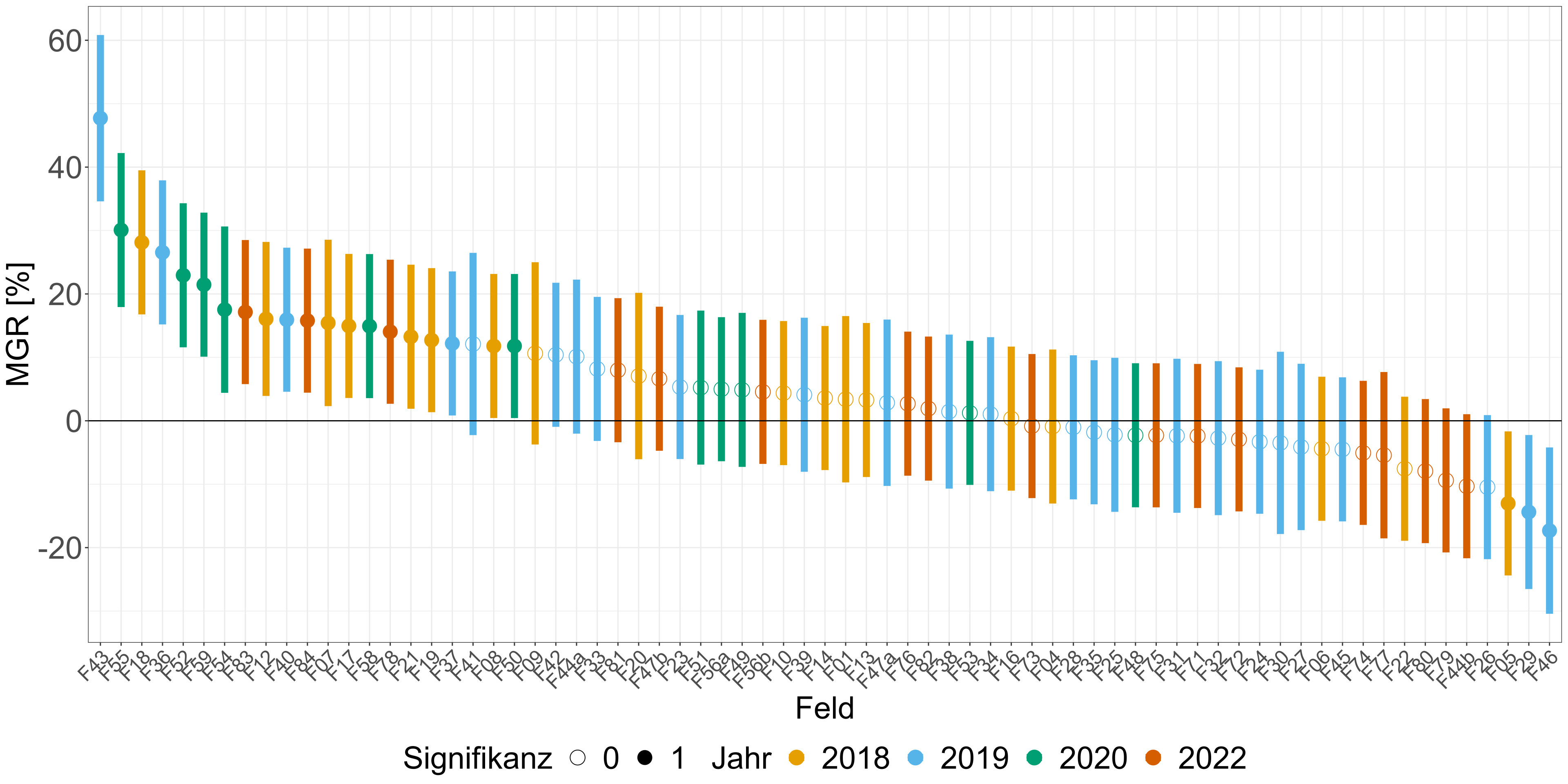
Figure 2: Mycorrhizal growth effect per plant for the years 2018, 2019, 2020, and 2022. Figure: © Steffi Lutz 2022
Field Inoculation Using Granules
Since manual inoculation is not economically viable, we aim to develop a method for large-scale field application. This approach should be practical for farmers, enabling efficient AMF inoculation across entire fields.
A Clay granulate was produced that contains AMF. These granules can be applied to the field using a fertilizer spreader. In 2024 a first batch of 10 Maize fields whas tested using the granules and a microgranule spreader. The microgranule spreader delivered interesting results, leading to its broader testing in 2025 on various fields across Switzerland.
When using a microgranule spreader (fig.3-4), the granules are placed in small amounts directly next to the seed. The close placement reduces the amount of granules needed and allows the roots to establish contact with the AMF more quickly.
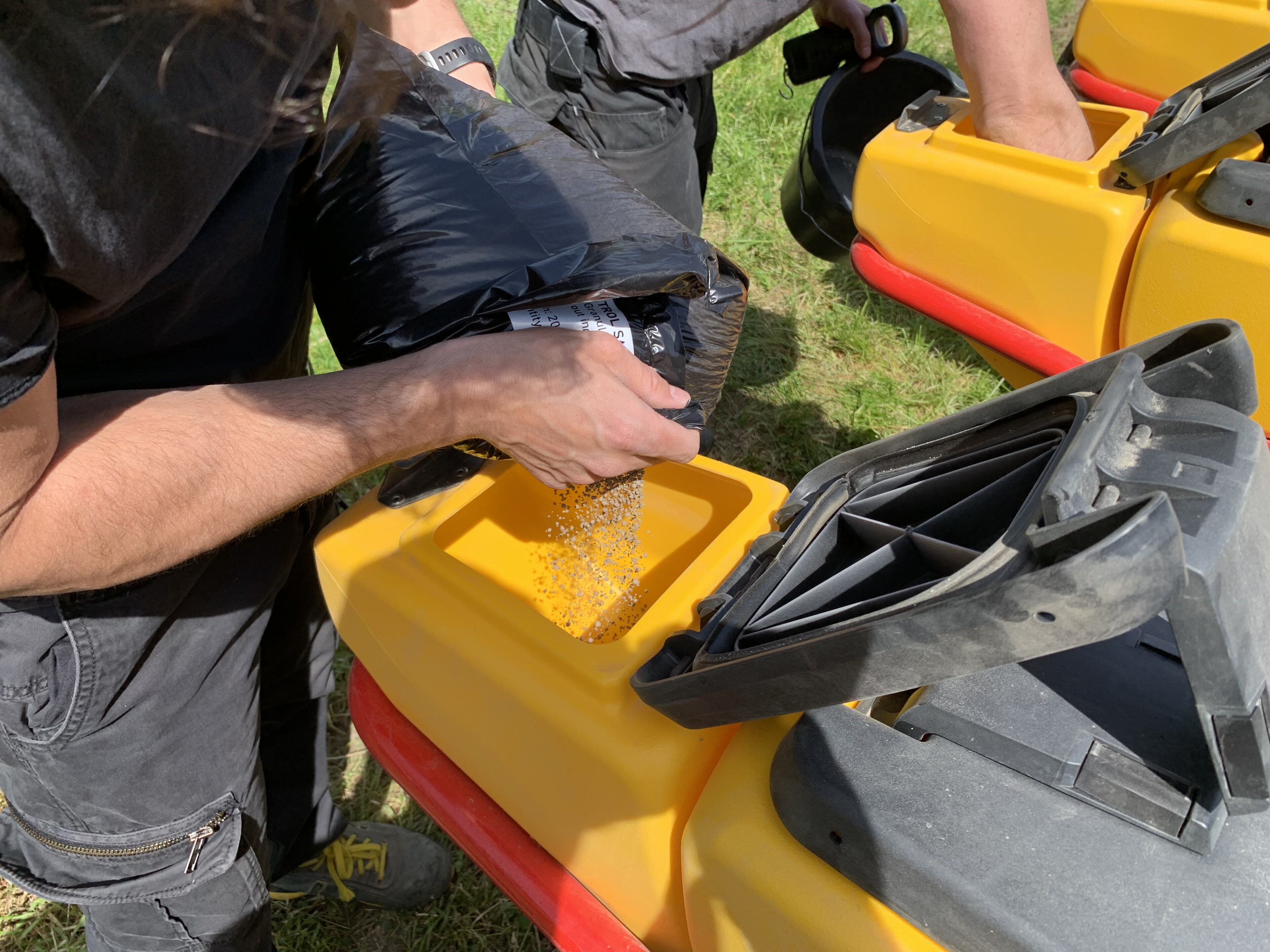
Figure 3: Filling of the fertilizer box with AMF-Granules. Foto: © Alain Valzano-Held 2024
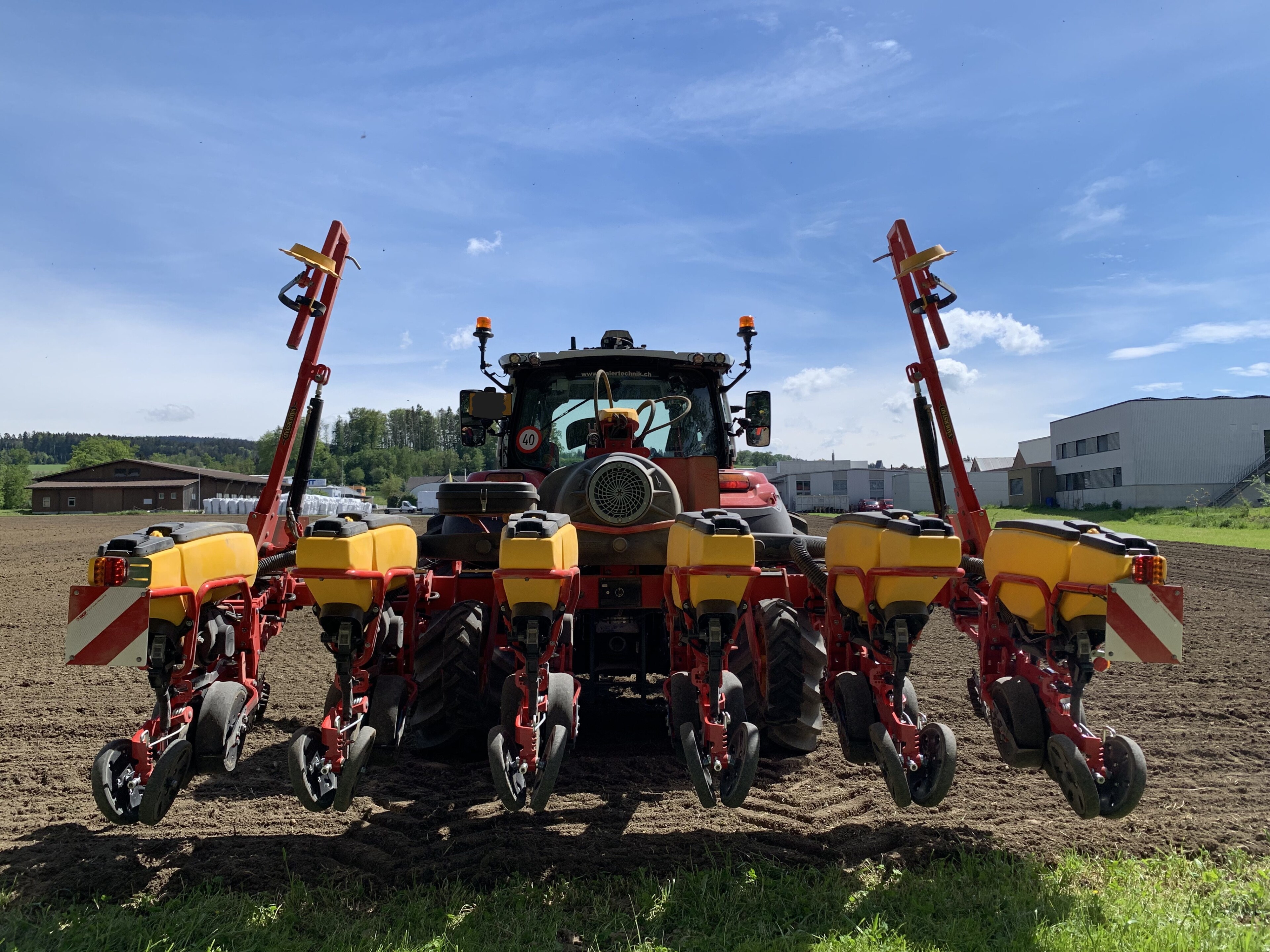
Figure 4: microgranule spreader on a field before maize sawing. Foto: © Alain Valzano-Held 2024
Funding
From 2023 to 2027, this project will be funded by the Swiss National Science Foundation (SNSF)

Project team
Dr. Raphaël Boussageon (UZH)
Alain Valzano-Held (UZH)
Marco Eigenmann (UZH)
Prof. Dr. Klaus Schläppi (Unibas)
Dr. Natacha Bodenhausen (FiBL & Agroscope)
Prof. Dr. Marcel van der Heijden (UZH & Agroscope)
This article was written by Alain Valzano-Held 05.03.2025
This website uses cookies. Here you can choose which cookies you want to allow and change your selection at any time. By clicking "Accept", you agree to the use of cookies.